


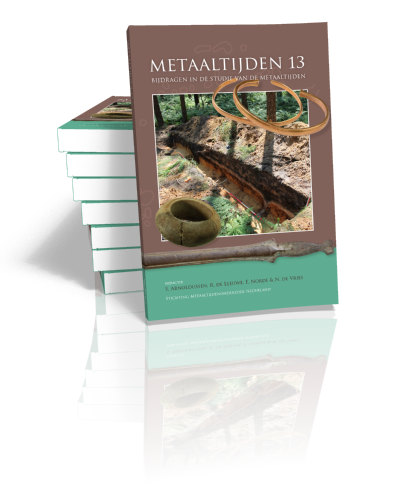
Metaaltijden (vol. 13)
Bijdragen in de studie van de metaaltijden
Edited by S. Arnoldussen, R. de Leeuwe, E. Norde & N. de Vries | Forthcoming
Deze bundel biedt een groot aantal nieuwe wetenschappelijke maar toegankelijke bijdragen over de Metaaltijden in Nederland en Vlaanderen. In tijd beslaan deze het tijdvak tussen 2000 voor onze jaartelling tot de Romeinse Tijd. Hierbij worden…

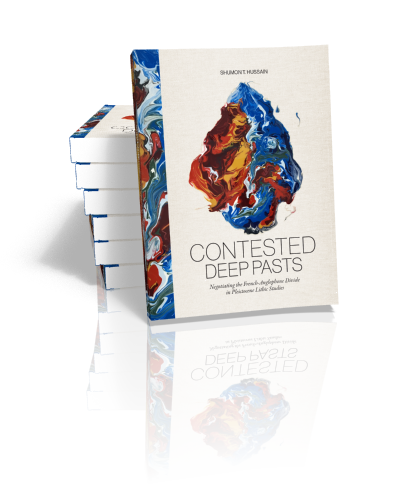
Contested Deep Pasts
Negotiating the French-Anglophone Divide in Pleistocene Lithic Studies
Shumon T. Hussain | Forthcoming
This book offers the first in-depth analysis of French-Anglophone research conflicts in Palaeolithic archaeology. By carefully examining a range of case studies and discursive contexts, the author shows that French and Anglophone approaches to the…
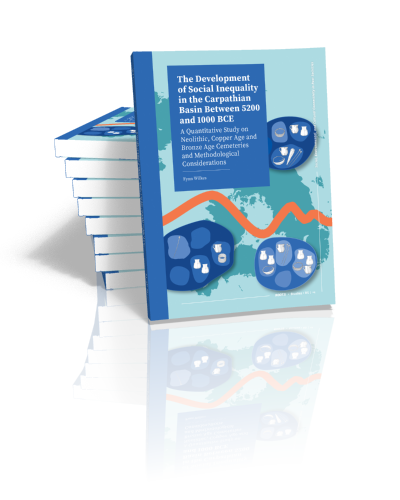
The Development of Social Inequality in the Carpathian Basin between 5200 and 1000 BCE
A Quantitative Study on Neolithic, Copper Age and Bronze Age Cemeteries and Methodological Considerations
Fynn Wilkes | Forthcoming
This dissertation investigates the dynamics of social inequality in the Carpathian Basin between the Late Neolithic and the Middle/Late Bronze Age (5200–1000 BCE) through a quantitative analysis of burial contexts. Employing statistical methods, including Gini…
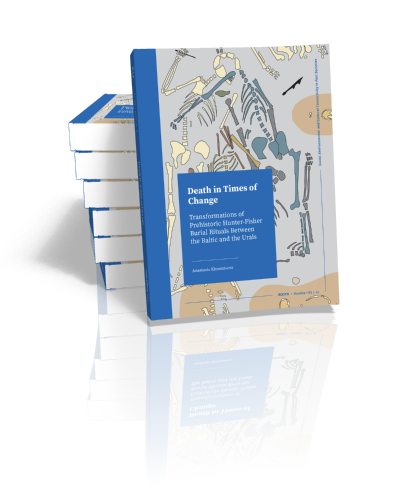
Death in Times of Change
Transformations of Prehistoric Hunter-Fisher Burial Rituals Between the Baltic and the Urals
Anastasia Khramtsova | Forthcoming
This book examines burial rituals among prehistoric communities that inhabited the East European forest zone between ca. 9500 and 2700 cal BCE. Based on evidence from 130 burial sites with a total of 1406 graves…
Coastal Archaeology in Small Islands
Prehistoric Lifeways, Research Perceptions, Biases, Methods and Approaches
Edited by Maaike S. de Waal | Forthcoming
The potential of investigating archaeology on small islands has long been underestimated. Non-local archaeologists often regard such islands as offering (too) few opportunities for prehistoric use and habitation due to limited resources and isolation, whereas…
Parures incarnées / Incarnated Ornaments
Les ornements corporels comme miroirs des identités et mobilités aux âges des Métaux / Body Adornments as Mirrors of Identities and Movements in the Metal Ages
Edited by Marilou Nordez (co-edited by Thibault Lachenal, Muriel Mélin, Caroline Mougne, Joëlle Rolland and Rolande Simon-Millot) | Forthcoming
Les ornements corporels subliment le corps humain, le rendant plus beau, plus impressionnant ou plus désirable. Associées aux vêtements, accessoires ou tatouages, les parures participent d’un système de signes révélant le statut, le rôle et…
Elite Mobility and Funerary Practices in Early Iron Age Europe
Edited by Sasja van der Vaart-Verschoof | Forthcoming
Across Europe, from the British Isles to Central Europe, archaeologists have uncovered the lavish burials of Early Iron Age elites—powerful figures who shaped the continent’s protohistory through vast networks of influence and exchange. Yet, modern…
Search results for cat-prehistory
:
Metaaltijden (vol. 13)
Bijdragen in de studie van de metaaltijden
Edited by S. Arnoldussen, R. de Leeuwe, E. Norde & N. de Vries | Forthcoming
Deze bundel biedt een groot aantal nieuwe wetenschappelijke maar toegankelijke bijdragen over de Metaaltijden in Nederland en Vlaanderen. In tijd beslaan deze het tijdvak tussen 2000 voor onze jaartelling tot de Romeinse Tijd. Hierbij worden…
Contested Deep Pasts
Negotiating the French-Anglophone Divide in Pleistocene Lithic Studies
Shumon T. Hussain | Forthcoming
This book offers the first in-depth analysis of French-Anglophone research conflicts in Palaeolithic archaeology. By carefully examining a range of case studies and discursive contexts, the author shows that French and Anglophone approaches to the…
The Development of Social Inequality in the Carpathian Basin between 5200 and 1000 BCE
A Quantitative Study on Neolithic, Copper Age and Bronze Age Cemeteries and Methodological Considerations
Fynn Wilkes | Forthcoming
This dissertation investigates the dynamics of social inequality in the Carpathian Basin between the Late Neolithic and the Middle/Late Bronze Age (5200–1000 BCE) through a quantitative analysis of burial contexts. Employing statistical methods, including Gini…
Death in Times of Change
Transformations of Prehistoric Hunter-Fisher Burial Rituals Between the Baltic and the Urals
Anastasia Khramtsova | Forthcoming
This book examines burial rituals among prehistoric communities that inhabited the East European forest zone between ca. 9500 and 2700 cal BCE. Based on evidence from 130 burial sites with a total of 1406 graves…
Coastal Archaeology in Small Islands
Prehistoric Lifeways, Research Perceptions, Biases, Methods and Approaches
Edited by Maaike S. de Waal | Forthcoming
The potential of investigating archaeology on small islands has long been underestimated. Non-local archaeologists often regard such islands as offering (too) few opportunities for prehistoric use and habitation due to limited resources and isolation, whereas…
Parures incarnées / Incarnated Ornaments
Les ornements corporels comme miroirs des identités et mobilités aux âges des Métaux / Body Adornments as Mirrors of Identities and Movements in the Metal Ages
Edited by Marilou Nordez (co-edited by Thibault Lachenal, Muriel Mélin, Caroline Mougne, Joëlle Rolland and Rolande Simon-Millot) | Forthcoming
Les ornements corporels subliment le corps humain, le rendant plus beau, plus impressionnant ou plus désirable. Associées aux vêtements, accessoires ou tatouages, les parures participent d’un système de signes révélant le statut, le rôle et…
Elite Mobility and Funerary Practices in Early Iron Age Europe
Edited by Sasja van der Vaart-Verschoof | Forthcoming
Across Europe, from the British Isles to Central Europe, archaeologists have uncovered the lavish burials of Early Iron Age elites—powerful figures who shaped the continent’s protohistory through vast networks of influence and exchange. Yet, modern…
Browse by subject